

Last week, City Council passed the final two Safe Healthy Homes bills by a 16-1 vote.
No surprise there. We all saw this coming.
The political winds have been blowing this way for a long time. The bill had vocal support, a sweet name, and the usual framing: who could possibly be against safe and healthy homes?
But the problem is not the title. The problem is the actual law.
Philadelphia already has laws requiring safe, habitable rental housing. Those issues are already thoroughly codified. The city already has tools to go after slumlords, dangerous properties, and owners who refuse to maintain their buildings.
The issue is not a lack of law.
The issue is bad enforcement.
So instead of fixing enforcement, Council keeps adding more rules, more paperwork traps, and more severe penalties. That does not magically target bad actors. It just makes the system more dangerous for whoever gets caught in it.
And that is the part that drives me crazy.
The true slumlords are already violating laws left and right, often at scale. Because enforcement is uneven, many of them continue to skate.
Meanwhile, the middle of the market gets randomly sniped.
The small owner who does 95% of things right but misses one technical requirement. The good operator who runs into the wrong tenant, in front of the wrong judge, on the wrong day. The landlord who is not a slumlord, but gets treated like one because the penalties are severe and the system is sloppy.
That is not justice. That is not serious housing policy.
It is a banana republic type of system where enforcement is not uniform, outcomes are unpredictable, and the people actually trying to comply can get crushed while the worst actors keep rolling the dice.
If Philadelphia really wanted safer rental housing, it would focus on the worst 5% of owners and enforce the laws already on the books. Surgically. Consistently. Aggressively.
Instead, Council keeps layering new laws onto a broken system.
And then everyone will act shocked when good owners sell, rents rise, properties get worse, and the only people left are the very large operators and the very bad actors who were never following the rules anyway.
Philly keeps digging the housing hole deeper.
Philadelphia Rental Market Data

April Days on Market continues to trickle down. Leasing signals still strong on this trailing metric. Strongest leasing market for landlords that we’ve seen in a few years.

Median leads per listing per day remain strong after tax-return season. This is a good sign for the summer. I anticipate 2026 will be our strongest overall leasing season since 2022.

Nothing new yet since we don’t grab new data until 5/1. Stay tuned for and update in the next issue of The Row Report.
Real Estate News & Events
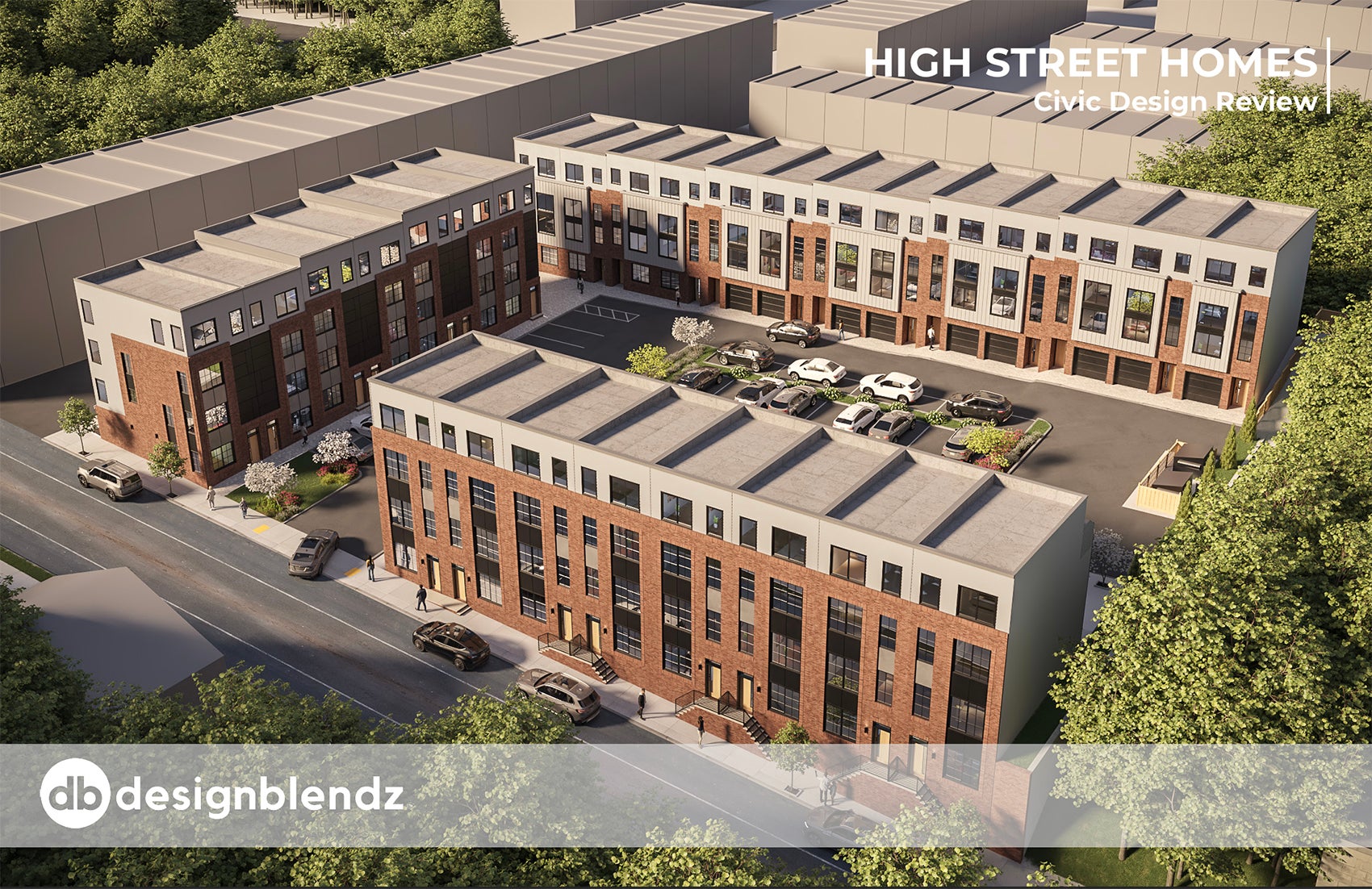
Big news for Germantown. A vacant lot near Awbury Arboretum might soon be home to 35 new rental units. This project is aiming for market-rate but still affordable for moderate incomes, which is a cool twist. Germantown has weathered the recent market slowdown very well. One of the most resilient Philly neighborhoods.
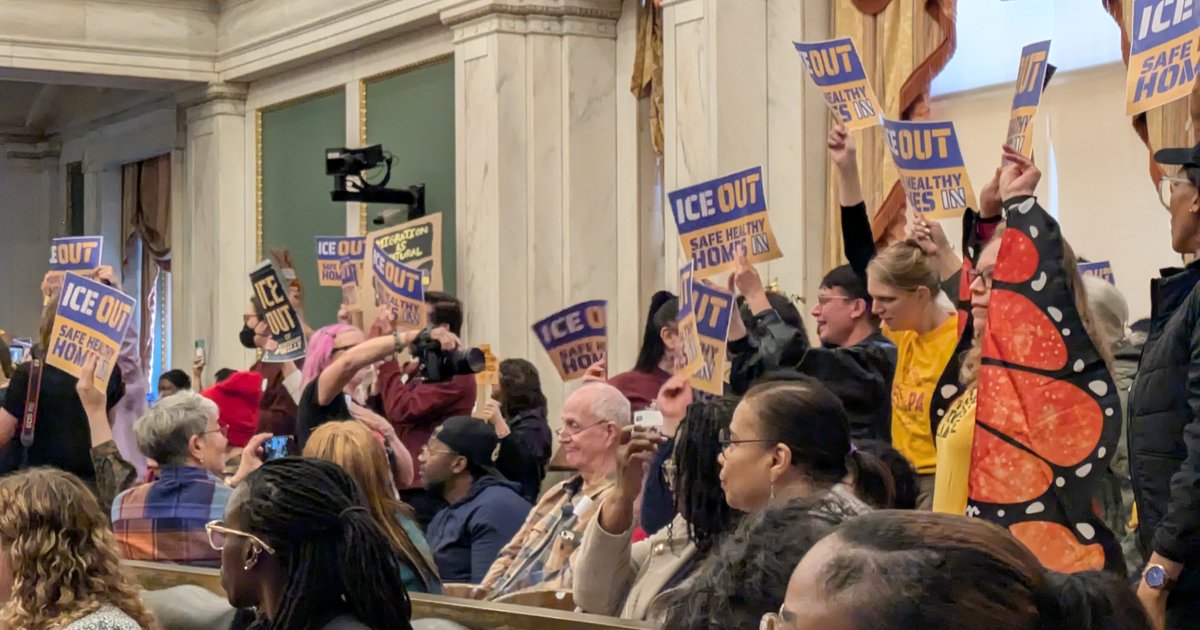
The Safe Healthy Homes Act is officially on the books, but the legal battle is far from over as the landlord group HAPCO has escalated their challenge to federal court. They’re alleging major procedural violations of the Sunshine Act, claiming the city council reached backroom deals before public hearings even started. I’m not a huge fan of the particular legal strategy of this challenge- but I certainly appreciate the pushback.
Philly Investor Tips
Offer Tenants Choices at Renewal
Most owners send one renewal offer: 12 months, new rent, take it or leave it.
That may be simple, but it is not always smart.
Tenants do not like feeling cornered, especially when a rent increase is involved. Even if the increase is fair, one option can feel like an ultimatum. People respond better when they feel like they have some control.
Same reason you ask a kid, “Do you want broccoli or green beans?” instead of just saying, “Eat your broccoli.”
Lease renewals work the same way.
Offer a few options:
18-month lease: smaller monthly increase
12-month lease: standard increase
Month-to-month: higher premium
And with Philadelphia expanding good-cause protections beyond month-to-month leases, there is even less reason to be afraid of offering a month-to-month option. For renewal purposes, the old legal distinction between month-to-month and longer-term leases is largely gone. So price the flexibility accordingly.
Even if you do not really want the tenant on a month-to-month lease, put a real premium on it. That still gives the tenant a choice, while steering them toward the 12-month option you actually prefer.
There is a price for everything. Decide what each option is worth, price it correctly, and let the tenant choose.
A little choice can make a rent increase feel less like a demand and more like a decision.
Tenant Tales
We Denied an Applicant With Two Recent Eviction Filings. Then She Sued Us. And Won.
Here is a fun one from the front lines of Philadelphia rental housing.
We had an applicant apply for one of our rentals. Before applying, we asked whether she had any recent eviction actions filed against her.
She answered no.
Then we ran the report.
The report showed two recent eviction filings against her within the last couple of years. So we denied the application based on materially inaccurate information provided during the application process.
In plain English: she lied.
We sent the required notices. We followed the screening process. We documented the basis for denial. Everything was handled by the book.
The applicant was not happy, so she sued us in small claims court.
We showed up, defended the denial, and explained the issue clearly: this was not just about eviction history. This was about an applicant providing false information during the application process. One of the eviction filings was not even protected under the Renter’s Access Act. The other one was, but that did not change the fact that the applicant had answered the question inaccurately.
The judge ruled in the tenant’s favor.
We did not have to approve the applicant. We did not have to let her move into the property. But we were ordered to refund the application fee in full.
Was the financial damage huge? No.
Was the decision frustrating? Absolutely.
Because if an applicant can provide inaccurate information, have two recent eviction filings, and still win a claim over the application fee, then property owners have to ask a very real question:
Who can you actually deny in Philadelphia?
Closing Thoughts

With the new Safe & Healthy Homes Act taking effect Nov 1st, how are you adjusting your Philly real estate strategy?
| PROUDLY SPONSORED BY | ||

|

|
|