Philadelphia is giving tenant organizations labor-style power without labor-style obligations.
Tenant unions are having a moment in Philadelphia.
According to a recent WHYY report on Philadelphia’s tenant-union movement, the number of known tenant unions in the city has grown from roughly 5 before the pandemic to more than 20 today, a roughly 4x increase.
And on November 1, 2026, those groups get considerably more legal muscle.
Philadelphia’s new Safe Healthy Homes tenant-organizing law expressly gives tenants the right to form tenant organizations, use representatives to deal with landlords and engage in concerted activity. More importantly, it imposes on owners and property managers a duty to bargain in good faith with tenants and tenant organizers regarding lease terms and property conditions.
The movement is already pushing beyond complaints about repairs. WHYY reports that tenants at one 36-unit West Philadelphia building are trying to negotiate what organizers hope will become Philadelphia’s first collectively bargained residential lease, including a three-year rent cap, maintenance deadlines and financial penalties for the landlord.
So this is no longer a fringe curiosity.
But there is a basic problem with the whole framework:
Tenant unions aren’t unions.
Todd Ortscheid, a property manager who spent roughly 12 years in labor-union leadership, recently made this argument particularly well in “Tenant Unions Aren’t Unions”.
His basic point is worth applying to Philadelphia.
1. Real unions get rights and obligations.
A labor union cannot simply announce that it exists and demand that an employer negotiate with it. There are certification elections, defined bargaining units, duties to members, rules governing negotiations and strict restrictions on when workers can strike.
Both sides get power. Both sides get obligations.
That reciprocal framework is what makes collective bargaining collective bargaining.
Philadelphia is borrowing some of that framework for housing, including an express duty on landlords to bargain in good faith. But where is the equivalent structure on the tenant side?
There is no certification election, no requirement that a tenant organization demonstrate majority support, no exclusive representative, no duty of fair representation, no comprehensive strike rules and no meaningful decertification process.
That isn't a small distinction. It is the distinction.
2. The economic analogy doesn’t work.
Labor unions developed largely because workers in certain industries had very limited alternatives. If four companies effectively control your profession, simply telling an employee to “go work somewhere else” isn't much of an answer.
Housing is different.
Philadelphia does not have four landlords. It has thousands of independent housing providers, ranging from institutional owners to people who own a single duplex.
Moving is expensive. Housing shortages are real. Bad landlords certainly exist. But a tenant choosing among thousands of independently owned apartments is not economically equivalent to a specialized worker facing a handful of employers controlling an entire labor market.
The word union makes the relationship sound familiar. The economics are not.
3. A rent strike isn’t a strike.
This is the biggest problem with the analogy.
When workers strike, the company loses the labor, the workers lose their wages and customers may lose the product. Everybody gives something up. That mutual pain is precisely what creates pressure to reach an agreement.
Now consider a rent strike.
The landlord stops receiving the rent, but the tenant keeps receiving the apartment.
There is no corresponding sacrifice.
Absent a lawful basis to withhold rent, the tenant continues consuming the thing he agreed to pay for while simply stopping payment. A striking worker does not continue collecting his paycheck while refusing to work, and calling rent withholding a “strike” does not change that basic economic difference.
The Bigger Problem Is What This Does to Housing
And let's not reduce this to the predictable response that the poor property owner simply doesn't want to negotiate with tenants.
As we discussed in the last issue of The Row Report, Philadelphia policymakers do not care about mom-and-pop landlords.
Fine. This isn't about sympathy for landlords.
It's about what happens to housing when you continually increase the risk of investing in it.
Imagine you have $10 million to invest in housing and you are considering buying or developing a large multifamily building in Philadelphia. You build it correctly, maintain it, keep it licensed and comply with code.
You already have the normal risks: interest rates, insurance, construction costs, property taxes, vacancies and maintenance. Now add another layer.
Your tenants organize because they don't like the annual rent increase you proposed, even though your property taxes, insurance and operating expenses increased. The elevator goes down for a week and a repair dispute becomes an organizing dispute. A disagreement over lease terms becomes an allegation of retaliation. A tenant claims protected organizing activity and suddenly what would once have been an ordinary landlord-tenant disagreement carries a new layer of regulatory and litigation risk.
Risk is not just losing the case. Risk is being dragged through the case.
Legal fees, delay and uncertainty all matter. Capital has choices, and investors price risk.
If I can put that same $10 million into housing in Philadelphia or invest it somewhere else offering similar returns with materially less regulatory risk, why would I choose Philadelphia?
Increasingly, I won't. Neither will thousands of other investors making the same calculation.
These decisions will not arrive with a press conference. They will happen quietly as an investor decides not to buy the apartment building, a developer chooses another city, an owner decides the renovation isn't worth it, a landlord sells instead of reinvesting, or a lender decides Philadelphia housing carries a little more risk and prices the loan accordingly.
Multiply those decisions by thousands and tens of thousands over the coming years and the result becomes very real: less investment, fewer upgrades, less new housing and an aging housing stock.
And the people supposedly being protected are eventually left with fewer places to live.
When good housing becomes scarcer, residents are left paying more for the good stuff or accepting worse housing.
There is nothing especially ideological about this. It is how capital works. Money flows toward opportunity and away from unnecessary risk.
Philadelphia can continue layering risk onto the people who build, buy, renovate and maintain its housing, but it cannot dictate what those people do with their money afterward.
Bad policy scares away capital. And when capital leaves, housing supply, housing quality and prosperity eventually leave with it.
Philadelphia Rental Market Data

The median days on market dropped from a winter high of roughly 76 days to about 31 days by September. That is a meaningful improvement in leasing speed, but owners still need to avoid chasing the market with an unrealistic asking rent.

Lead activity per listing is still running near three leads a day after a strong spring and early-summer push. There is real renter interest out there, so the advantage goes to owners who respond quickly, follow up consistently, and make it easy for qualified prospects to apply.

Philadelphia apartment rents have generally moved up over the past year, even with a slight softening at the end of the summer. For landlords, that is a good reminder that steady rent growth still depends on keeping the unit competitive, clean, and priced appropriately for the neighborhood.
Real Estate News & Events
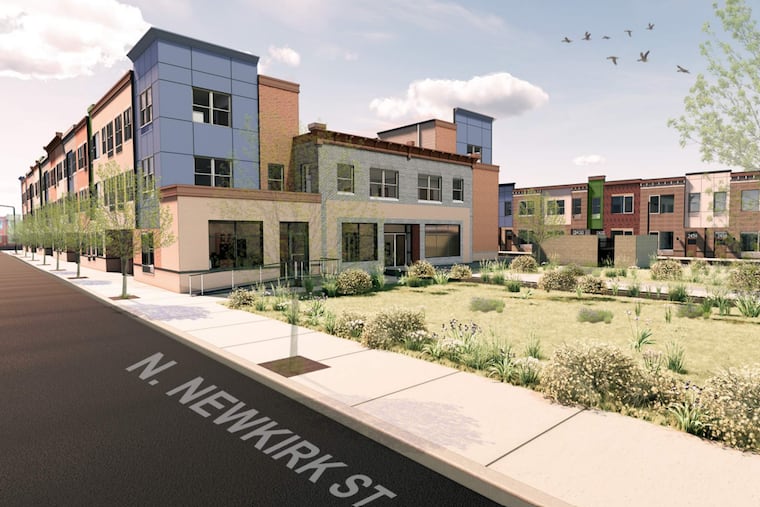
This is the kind of project Philadelphia needs: vacant land turned into a real mix of affordable rentals, ownership opportunities, and public space. The long-term win will come from keeping neighbors involved and making sure the new homes are managed and maintained to a high standard.
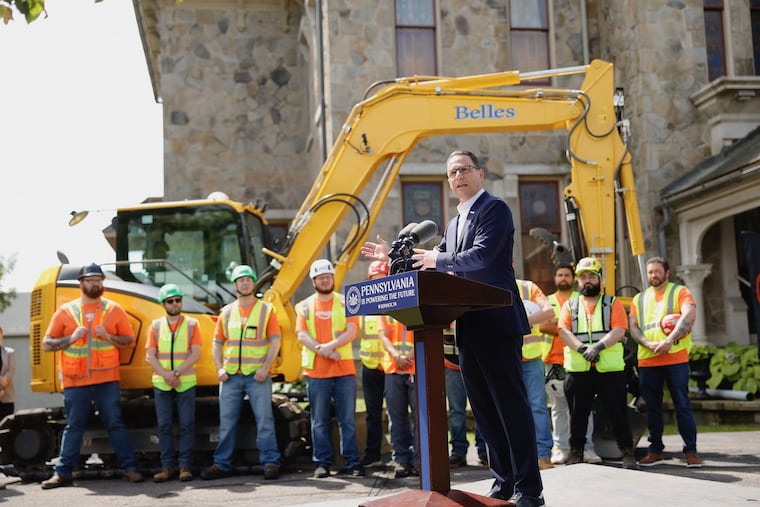
Capital follows certainty, and right now data centers, defense, and industrial projects are where investors see momentum. The opportunity for Philadelphia is real, but the city needs to make sure this growth brings jobs, infrastructure, and clear benefits to the neighborhoods that support it.
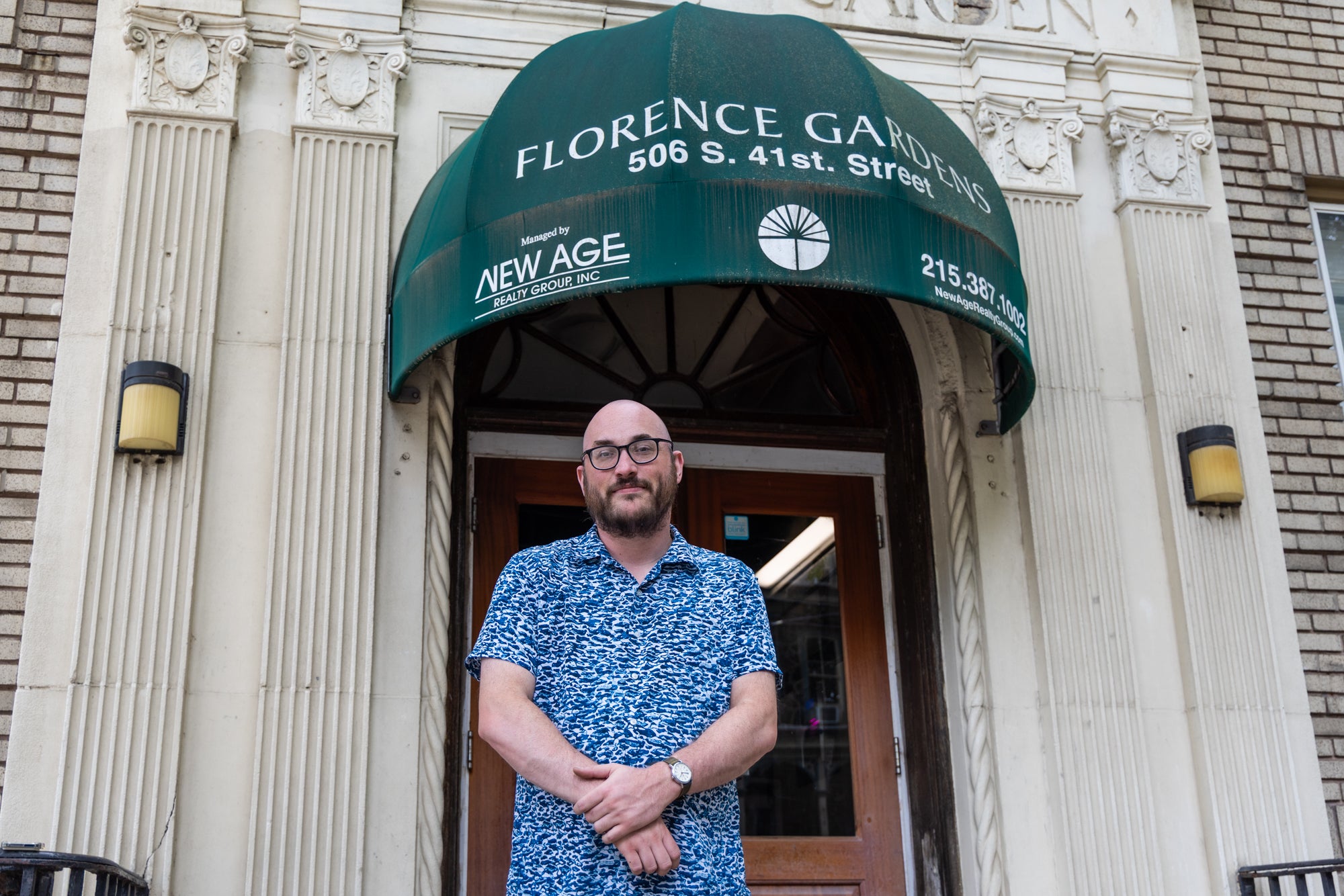
Philadelphia needs strong housing standards, but the rapid push toward tenant unions and collectively bargained leases should concern every responsible owner. When private lease terms and management decisions are driven by organized political pressure instead of clear law and a fair, individual process, landlords lose the ability to protect their properties, manage costs, and keep providing quality housing.

Philly Investor Tips
Cap the Gas
If you are renovating or building a rental property and have the option, go all electric.
I have dealt with enough gas-related headaches over the years to know that whatever modest benefit gas may provide usually is not worth the added risk and complexity.
A small gas leak can become a major safety issue. PGW can come out for one problem, discover improper venting or another defect, and suddenly shut the system down. Getting service restored can take time, and now you are dealing with a habitability problem, a utility problem and potentially an unhappy tenant all at once.
There is also the simple liability issue. Tenants can leave burners on. Old equipment fails. Gas lines leak. Venting becomes an issue. Every additional gas appliance is another thing that can go wrong.
And as I discussed in a recent issue, PGW has also become more aggressive in how certain unpaid gas charges can ultimately affect property owners. That is one more reason to simplify the utility setup wherever possible.
With an all-electric building, you generally have one utility company, one account for the tenant to transfer, fewer service interruptions and fewer safety concerns.
The supposed tradeoff is usually pretty small. Some people prefer cooking with gas, and in certain buildings gas may still make sense. But for a typical B- or C-class rental, I would have a hard time justifying the added headache.
This is not just a low-end rental strategy, either. I personally lived in a newer, high-end Fairmount property that was completely electric, including the range, and never thought twice about it.
Developers are increasingly figuring this out.
If I were building or doing a major renovation today, I would seriously consider capping the gas and eliminating it entirely.
Safer. Simpler. Fewer headaches.
Tenant Tales
Retaliation or Urination?
Imagine owning a rental where a tenant’s dog urinates inside the apartment so frequently that the liquid is dripping through the floor into the unit below.
Not once. Not twice.
The downstairs tenant testified that this happened on roughly fifteen to twenty separate occasions, with urine and cleaning liquids dripping onto clothes, furniture, and even onto people below.
My owner client gave the tenant multiple opportunities to correct the problem. Eventually, after the behavior continued, the owner issued a notice to vacate.
Pretty straightforward, right?
Not in Philadelphia.
The tenant filed a complaint with the Fair Housing Commission, alleging that the landlord was actually retaliating against her for making maintenance requests.
That filing effectively forced the owner to deal with the fair housing complaint before the eviction could proceed. Instead of getting into landlord-tenant court to address the repeated nuisance behavior, the owner first had to retain counsel, prepare a formal response and appear before the Commission to explain why a tenant whose dog repeatedly urinated through the floor was being asked to leave.
Legal fees: more than $2,000.
And the underlying conduct was not some disputed allegation invented by the landlord. The downstairs neighbor testified about it. The tenant herself acknowledged the dog had been urinating inside the apartment.
There is an important reason retaliation laws exist. Landlords should not be able to punish tenants for legitimately requesting repairs or exercising protected rights.
But a system also has to retain some ability to distinguish between retaliation and ordinary enforcement of a lease.
When a dog repeatedly urinates through the floor and onto the people living below, the issue is not difficult to identify.
This isn’t retaliation. It’s urination.
Closing Thoughts

|
PROUDLY SPONSORED BY
|