Summer is leasing season, which means it can also be one of the hardest times of the year for a rental property owner’s cash flow.
That may sound counterintuitive. Demand is generally strong, people are moving, and properties tend to lease more easily than they do during the winter.
But leasing season is also turnover season, and turnover is expensive.
Turnover Costs More Than Paint
If the average tenant stays for roughly three years, an owner can expect to turn over approximately one-third of the portfolio each year. Maybe your actual number is closer to 25%, or perhaps you have several long-term tenants who stay much longer.
Either way, a meaningful portion of most rental portfolios will turn over during the summer.
When a tenant moves out, the property goes from producing rent to consuming cash. There is usually cleaning, painting, lock replacement and general maintenance. Sometimes the tenant leaves the property in good shape. Sometimes the owner discovers damage, deferred maintenance or an appliance that has finally reached the end of its life.
A security deposit may offset legitimate tenant-caused damage, but it does not make the turnover free. Owners are still responsible for ordinary wear and tear, improvements and many of the costs required to make the property appealing to the next tenant.
Then Comes the Vacancy
Even a relatively efficient turnover creates some period when nobody is paying rent.
The property must be inspected, repaired, photographed, listed, shown and leased. The new tenant may not move in immediately after the old tenant leaves, but the mortgage, taxes, insurance, utilities and other carrying costs continue without interruption.
There is also a cost to leasing the property. If you use a professional property manager or leasing agent, you pay for that service. If you lease the property yourself, you pay with your own time, attention and effort.
Neither option is free.
Finally, every new tenancy involves risk. You can verify income, review credit, contact prior landlords and follow a careful screening process, but you are still placing a new person into the property and relying on that person to pay rent and care for the home.
All of those costs and risks tend to arrive at roughly the same time.
The July Dip Is Real
I recently reviewed Otter Property Management’s portfolio-wide net income data to see whether that feeling was supported by the numbers.
Net income per unit fell from June to July in each of the three completed years we reviewed:
🔴 2023: down 13.6%
🔴 2024: down 3.4%
🔴 2025: down 17.6%
Average June-to-July decline: 11.5%
July appears to be the point when many owners are fully exposed to the cost of turnover.
A lease may end in May or June, but the unit may still produce rent for part of that period. Once the tenant is out, the turn begins. Contractors need to complete the work, the property must be listed, and a new tenant must be approved and moved in.
By July, the old rent may be gone while the new rent has not yet started.
At the same time, owners are dealing with air-conditioning repairs, higher utility costs at vacant units and the general expense of maintaining properties during the hottest part of the year.
The Entire Summer Is Not Lost
The encouraging part is that the data does not show a sustained collapse throughout the entire summer.
It looks more like a July dip followed by a recovery.
August generally moves back toward normal, and by September the portfolio begins to stabilize. The real pain appears to be concentrated in the middle of the turnover cycle, rather than across the entire summer.
The Fall Recovery
Then comes October, November and December.
By the fourth quarter, most summer turns are complete. The new tenants have moved in. Rent is coming in again. Air-conditioning season is over, the weather is relatively mild and maintenance expenses often settle down.
Across the OPM portfolio, total net income increased from the third quarter to the fourth quarter in every full year we reviewed:
🟢 2023: up 29.8%
🟢 2024: up 13.6%
🟢 2025: up 8.6%
Net income per unit also improved in two of those three years and was essentially flat in the third.
I reviewed the performance of my own rental portfolio as well, and the same general trend appeared there. October and November were often the strongest months, while December remained positive even when performance cooled slightly from the earlier part of the quarter.
So there is a recognizable rhythm to the rental business.
Summer is often when owners reinvest in the property. Fall is when occupancy stabilizes and the property begins producing more predictable income again.
Survive the Summer
A rough cash-flow month does not necessarily mean that your investment is performing poorly.
Rental properties do not produce their returns in a smooth, predictable line. Some months generate cash. Other months require you to put money back into the property. A summer turnover may mean lost rent, repairs, leasing costs and several large invoices arriving at once, but those expenses are often what prepare the property for its next several years of income.
Monthly cash flow is important, but it is not the same thing as the overall health of the investment.
The property is still appreciating. You’re still paying down the mortgage principal. You still receive the tax advantages. You may be replacing an old system, improving the unit or completing work that will make the property easier to lease and less expensive to maintain in the future. Even a costly turnover can produce value if it results in a stronger property and a qualified tenant who stays for several years.
Of course, owners should still control costs, limit vacancy and manage the turnover carefully. A predictable seasonal expense is not an excuse for waste or poor execution. But it is also important not to judge a long-term investment based on one difficult month.
So, survive the summer. Get the work done, lease the property well and remember that cash flow is only one part of the return.
If the historical pattern holds, occupancy will stabilize, expenses will settle down and the numbers will begin looking better again in the fall.
Philadelphia Rental Market Data

That January spike to 75.6 days was rough — the winter slowdown hit hard this year. But the recovery has been just as sharp, with DOM dropping all the way down to 41.8 in May and holding around 43 days through July. The market is moving again and listings aren't sitting nearly as long as they were six months ago.

Demand basically fell off a cliff in December (down to about 0.4 leads/day) and then came roaring back in the spring. March, April, and June all hit around 3 leads per listing per day, which is well above the previous period comparison shown in the darker bars. If you had a vacancy sitting in December, you felt that — if you have one now, you're in a much better spo

Rents have been quietly climbing all year and just hit their highest point in the trailing 12 months, touching close to $1,800 in May before pulling back slightly in June. The trend line makes it pretty clear it's a sustained move upward. Good news if you're a landlord, not so great if you're a tenant.
Real Estate News & Events
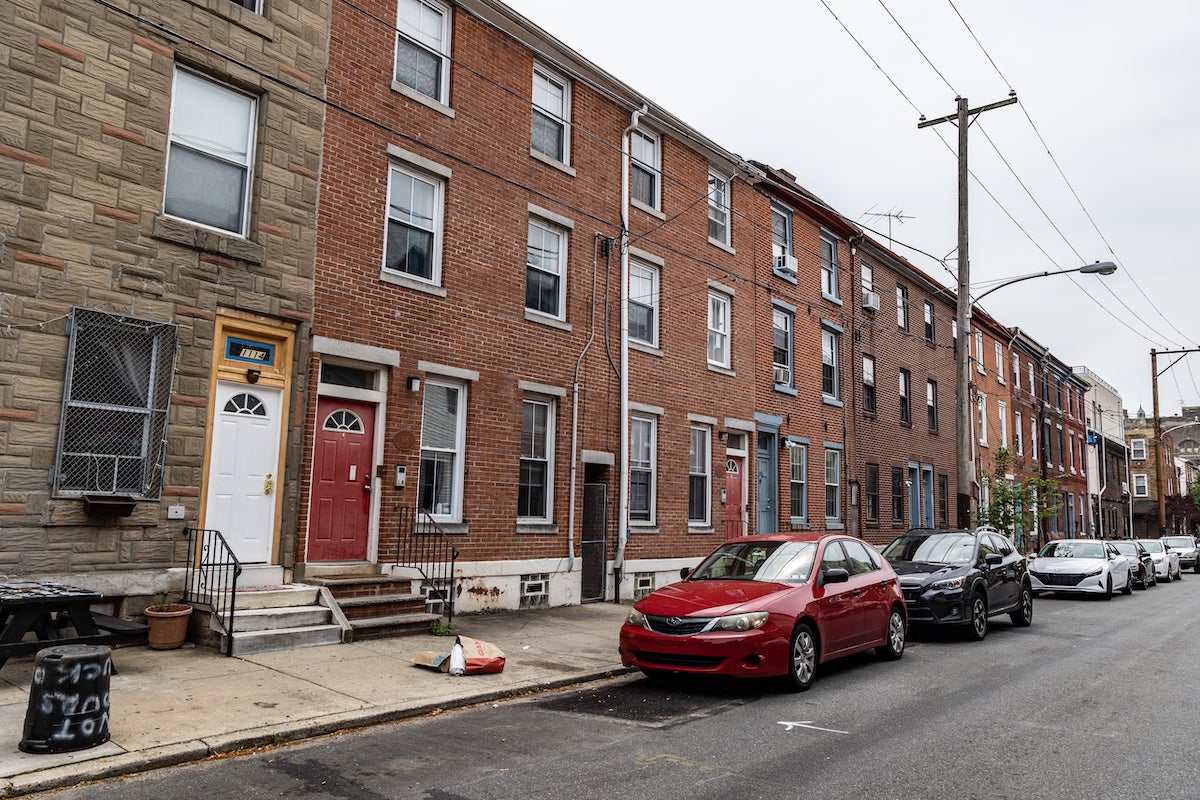
Philly is finally putting real money behind proactive rental inspections and modular housing, which feels like a solid step toward addressing the city’s housing crunch. Still, leaving the Fair Housing Commission and Sheriff’s Office without the added staff they requested could create some real bottlenecks. For landlords, the practical takeaway is simple: get ahead of maintenance and compliance now, because more inspections are coming.
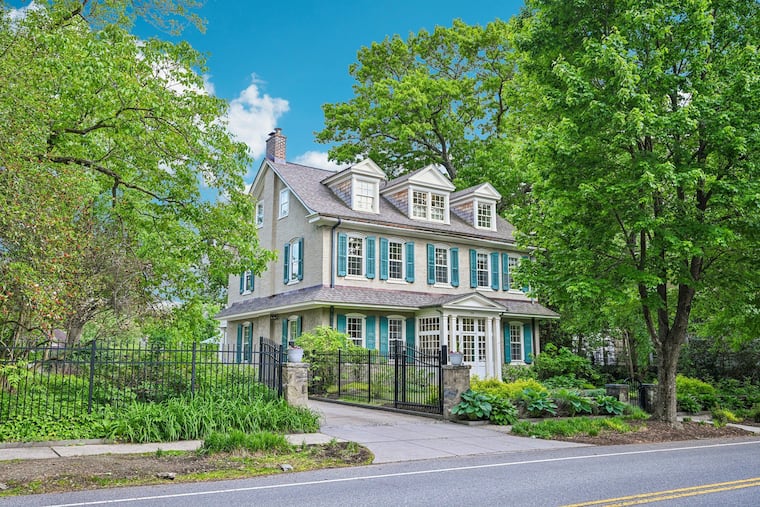
Philly’s housing market isn’t broken; it’s just really neighborhood- and property-specific right now. More listings are giving buyers a little breathing room, but a well-priced, move-in-ready home can still spark a bidding war fast. Sellers can’t rely on the old playbook—prep matters, pricing matters, and buyers are still ready to pounce.

The eCLIPSE refresh looks like a win for landlords—faster renewals, less repeat paperwork, and clearer notices when something is missing. The bigger catch is that out-of-city owners need to keep managing-agent contact information current, and unanswered applications will now be canceled after 60 days. In other words, the system should be easier to use, but it still rewards owners who keep their records clean.
Philly Investor Tips
Cut the Rent, Not Your Standards
Eat your vacancy. Empty properties are better than bad tenants.
That may sound obvious, but it was not obvious to me when I started investing. A property sitting vacant for three months can be painful, but it is still far better than rushing to place the wrong tenant because they can move in immediately.
Early in my investing career, I needed a tenant in place to complete a refinance. My back was against the wall, so I approved someone who could sign quickly. It became one of the most expensive operating mistakes I have made. Between property damage, drugs, collections, police issues, and problems involving minors, the total loss was probably around $20,000.
I learned the hard way that a vacant property is a temporary expense. A bad tenancy can become an open-ended liability.
Patience requires more than simply leaving the listing active. You need enough qualified applicants to maintain your screening standards. If the rent is too high and inquiries are only trickling in, you may eventually feel pressured to approve the best person from a weak pool.
Lowering the rent can increase demand and give you the ability to select a tenant who meets your documented screening criteria and appears likely to care for the property. A slightly lower monthly rent is usually much cheaper than an eviction, months of unpaid rent, or a destroyed unit.
Be patient. Take the vacancy. Cut the rent if necessary.
Cut the rent, not your standards.
Tenant Tales
Has anyone gotten paid by the cops?
We have probably had a half dozen situations now where the cops had to serve a warrant, get into a property for a domestic dispute, or the fire department had to go through one unit to reach another.
And look, I get it. The cops have to do their thing. The fire department has to do its thing. Break the door. Get in. Handle the situation.
But every time this happens, they leave behind a report and some phone number to call for reimbursement. They make it sound very simple:
“Hey, don’t worry about the damage. Just call this number.”
We call the number.
Then we get another number. Then a form. Then another department. Then someone says they are looking into it. Then nobody responds. Then we eventually give up and pay for the door ourselves.
This has happened around six times, but we haven't been reimbursed...
Not for a door. Not for a frame. Not for a lock. Nada.
So I am asking Row Report readers: has anyone ever actually gotten paid from the cops or the fire department for property damage?
Is there some secret process I do not know about? Is there a particular person you have to call? A magic phrase? Do you have to know somebody?
Or is handing you the reimbursement number just the Philadelphia Police Department’s polite way of saying:
“Yeah, we destroyed your door. You're gonna have to deal with it.”
It is just a polite show? They hand you a paper, give you a phone number, and make everyone feel better in the moment, even though nobody has any real intention of paying you?
At this point, I have started to think of it as another tax.
The police perform the civil service. You buy the new door.
Closing Thoughts
|
PROUDLY SPONSORED BY
|